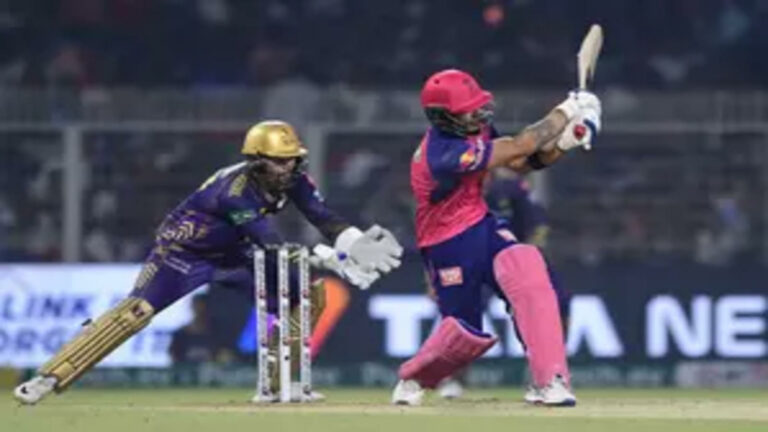

Trusted Online Cricket ID Platform – Secure Player Verification & Seamless Match Management
Cricket, often called the gentleman’s game, has evolved from dusty village pitches to high‑tech stadiums equipped with data analytics, RFID chips, and live streaming. As the sport expands, the need for reliable, secure, and scalable player identification becomes critical. Traditional paper‑based scorecards and manual registration processes are increasingly vulnerable to errors, fraud, and administrative bottlenecks. A Trusted Online Cricket ID Platform offers a modern solution, delivering real‑time verification, comprehensive player histories, and seamless integration with tournament management software. This article delves into the technology behind such platforms, the benefits for stakeholders, and best practices for implementation.
Why Cricket Needs a Digital Identity System
Every cricketing ecosystem—whether a local club, a state association, or an international governing body—relies on accurate player data. Some of the core challenges that a digital identity system addresses include:
- Identity fraud: Duplicate registrations or falsified ages can skew age‑group competitions and jeopardize fairness.
- Data inconsistency: Manual entry often leads to spelling errors, mismatched statistics, and lost records.
- Administrative overload: Event organizers spend hours reconciling player lists, checking eligibility, and updating spreadsheets.
- Security concerns: Sensitive personal information must be protected under data‑privacy regulations such as GDPR or India’s PDPB.
By assigning each participant a unique, verified online cricket ID, administrators can instantly retrieve a player’s complete profile, track performance metrics, and ensure compliance with eligibility rules.
Core Features of a Trusted Online Cricket ID Platform
A robust platform combines security, usability, and integration capabilities. Below are the essential components that define a world‑class solution:
1. Unique Digital Identifier
Each player receives an alphanumeric ID linked to a secure database. The identifier is immutable, preventing duplicate accounts and simplifying cross‑referencing across tournaments.
2. Multi‑Factor Authentication (MFA)
To safeguard personal data, users log in using a combination of passwords, OTPs, or biometric verification. MFA reduces the risk of unauthorized access and aligns with global security standards.
3. Comprehensive Player Profile
Profiles include full name, date of birth, gender, contact details, photographic ID, and cricket‑specific data such as batting style, bowling type, and career statistics. The system can also store medical and insurance documents, essential for player safety.
4. Real‑Time Eligibility Checks
Before a player is added to a match roster, the platform instantly validates age group, residency, and any disciplinary bans. This eliminates last‑minute disqualifications and protects tournament integrity.
5. API‑Driven Integration
Modern cricket administrations operate several software tools—scoring apps, league management dashboards, and ticketing systems. An open API enables seamless data flow, ensuring that every stakeholder receives up‑to‑date player information without manual intervention.
6. Audit Trails & Reporting
Every action—from ID creation to profile edits—is logged with timestamps and user identifiers. Administrators can generate compliance reports, monitor usage patterns, and quickly investigate anomalies.
The Role of an Online Cricket ID Provider
Choosing the right service provider is as crucial as the technology itself. A reputable provider offers:
- Scalable infrastructure: Cloud‑based hosting that can handle thousands of concurrent users during peak tournament days.
- Data residency options: The ability to store data within specific jurisdictions to meet local legal requirements.
- Customer support: Dedicated onboarding teams, 24/7 technical assistance, and training modules for administrators.
- Continuous innovation: Regular feature updates, integration of emerging technologies like AI‑driven performance analytics, and compliance with evolving data‑privacy laws.
Benefits for Different Stakeholders
For Players
Players gain a portable, universally recognized identity. They can use the same ID across clubs, state leagues, and national tournaments, reducing paperwork and ensuring that their performance records are consolidated in one place. Moreover, secure authentication protects their personal information from misuse.
For Coaches & Selectors
Coaches can instantly access a player’s historical performance, fitness records, and eligibility status before making selection decisions. The platform’s analytics dashboards enable data‑driven scouting, helping identify emerging talent based on objective metrics rather than reputation alone.
For Administrators
Event organizers no longer need to sift through piles of registration forms. The platform automates team registration, validates entries against eligibility criteria, and generates printable rosters. This efficiency frees staff to focus on event logistics, fan engagement, and revenue generation.
For Governing Bodies
National and regional boards can maintain a centralized, authoritative database of all registered players. This centralization simplifies anti‑doping monitoring, disciplinary actions, and the enforcement of age‑group rules. Additionally, aggregated data can inform policy decisions and strategic investments in grassroots development.
Implementation Roadmap: From Planning to Go‑Live
Deploying a Trusted Online Cricket ID Platform involves several critical phases. Below is a step‑by‑step guide to ensure a smooth transition:
1. Needs Assessment
Gather requirements from all stakeholder groups. Identify the volume of players, types of tournaments, existing software integrations, and specific compliance mandates.
2. Vendor Selection
Evaluate potential Online Cricket ID Provider partners based on security certifications (ISO 27001, SOC 2), scalability, API documentation, and cost structure.
3. Data Migration & Cleansing
Import existing player records into the new system. Use automated scripts to deduplicate entries, standardize field formats, and flag incomplete profiles for manual review.
4. Customization & Integration
Configure the platform to match local branding, terminology, and workflows. Develop API connectors for scoring apps, ticketing portals, and CRM tools.
5. Training & Change Management
Conduct hands‑on workshops for administrators, coaches, and support staff. Provide user manuals, video tutorials, and a dedicated helpdesk for the initial rollout period.
6. Pilot Testing
Run a limited‑scale pilot (e.g., a district‑level league) to validate functionality, identify bugs, and gather feedback. Adjust configuration based on real‑world usage.
7. Full Deployment
Launch the platform across all affiliated clubs and tournaments. Monitor system performance, track adoption metrics, and continue to provide training resources.
Security and Privacy Considerations
Given the sensitivity of personal data, a trustworthy platform adheres to stringent security standards:
- Encryption at rest and in transit: All data is stored using AES‑256 encryption and transmitted over TLS 1.3.
- Role‑based access control (RBAC): Users receive permissions based on their role (player, coach, admin), limiting exposure to unnecessary data.
- Regular penetration testing: Independent security firms conduct annual vulnerability assessments.
- Compliance certifications: Alignment with GDPR, India’s Personal Data Protection Bill, and local sports‑governing body mandates.
Transparent privacy policies inform users how their data is collected, stored, and used, reinforcing trust and encouraging platform adoption.
Future Trends: Beyond Identification
The digital ID system is a foundation for further innovation in cricket administration. Potential extensions include:
- Performance analytics integration: Linking sensor data (e.g., ball‑tracking, wearable tech) with player IDs for holistic performance dashboards.
- Smart ticketing: Using IDs to verify fan eligibility for player‑specific meet‑and‑greet events.
- Blockchain‑based provenance: Immutable records of player contracts and transfer histories, reducing disputes.
- AI‑driven scouting: Machine‑learning models that analyze historical data to predict future potential, presented within the player’s digital profile.
Conclusion
In an era where data drives decision‑making, the Trusted Online Cricket ID Platform emerges as a pivotal tool for modernizing cricket administration. By delivering secure, verifiable, and easily accessible player identities, it mitigates fraud, streamlines operations, and empowers stakeholders with actionable insights. Selecting a competent Online Cricket ID Provider, following a structured implementation roadmap, and prioritizing security will ensure that the transition to digital IDs enhances the sport rather than complicates it. As cricket continues to globalize, platforms that combine authenticity, scalability, and innovation will become indispensable—setting the stage for a more transparent, efficient, and data‑rich future for the game we love.